Event
The Igbo Individualistic Ethos: Strength and Emerging Weakness
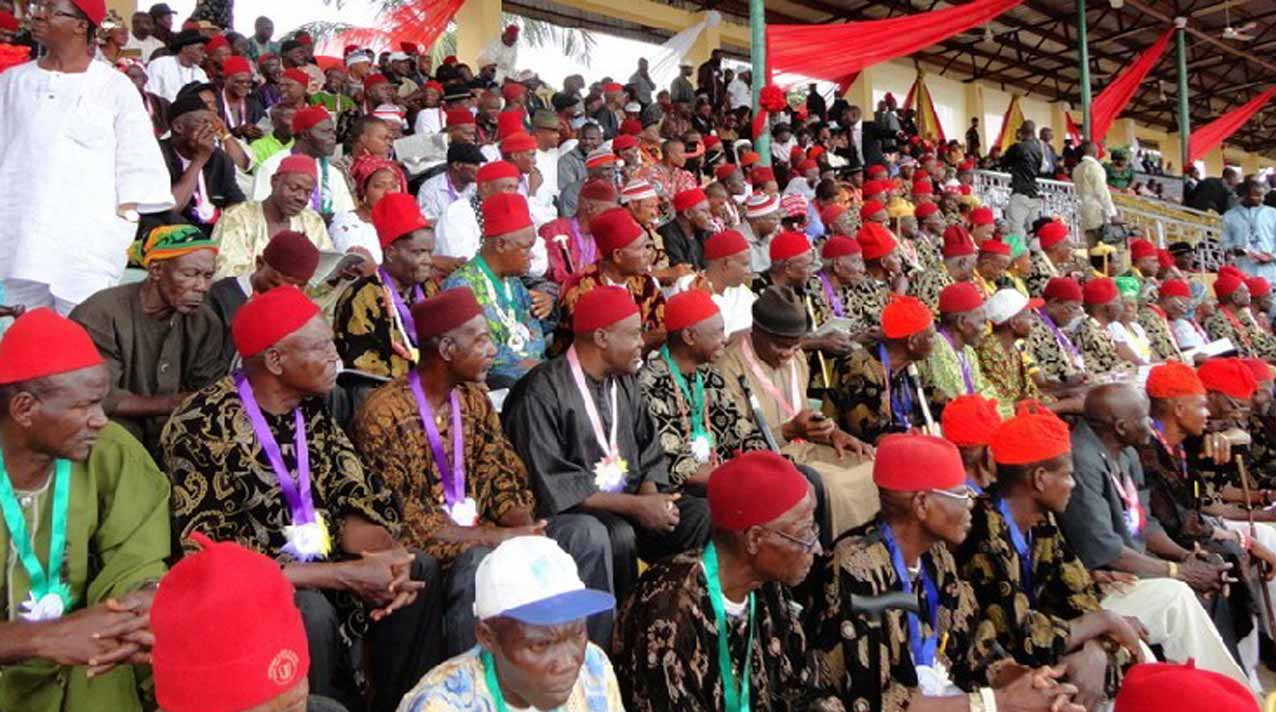
The Igbo spirit of industry, independence, and self-determination is legendary. Across Nigeria and the world, Igbo people are known for building success with little or no support from government structures. This has been a source of strength, especially after the devastation of the civil war; the same individualistic ethos can also become a collective weakness when unity is needed. Many Igbo successes are personal triumphs; but the absence of strong, coordinated communal defence has left the people politically vulnerable. The point is not to abandon individual excellence, but to realise that a nation survives only when its people stand together, especially in moments of injustice.
Nnamdi Kanu’s Case: A Test of Igbo Solidarity
The case of Mazi Nnamdi Kanu is a sharp illustration of this problem. Whether one agrees with his ideology or not; the manner of his arrest, rendition, detention, and the prolonged legal uncertainties have raised serious concerns about due process, constitutional rights, and equal treatment under the law. Yet, what has shocked many is the muted response from Igbo leaders; political, traditional, and intellectual. Many northern elders would not remain silent if one of theirs were detained in such a controversial way. Many western leaders have historically spoken up strongly for their own, regardless of public opinion; however, in the Southeast, the response has been fragmented, cautious, and often silent. This silence has created a vacuum; one that continues to widen a sense of alienation among ordinary Igbo who feel unprotected. A Culture of “Protecting Their Own” In the North, leaders have consistently shown a strategic solidarity. Leaders such as Sheikh Gumi, traditional rulers, and political elites often speak loudly on behalf of northern interests; even when the individuals involved are controversial. The message this sends is clear: “We do not abandon our own.” This approach gives the North a strong political leverage, a unified bargaining position and the ability to shape national narratives. While not all northern interventions are morally justified, the collective instinct to protect their people remains a powerful political tool. In the Southwest, the pattern is similar. Despite criticisms, you see Yoruba leaders, clergy, and civil groups rally around figures like President Bola Tinubu or Sunday Igboho. Sometimes this support is not based on achievement alone but on:
- A belief in protecting regional interests
- A sense of cultural loyalty
- A commitment to defending Yoruba identity
Again, the morality of the cause may be debated, but the unity is undeniable.
The Silence of the Church: A Troubling Absence The church in Igboland; one of the most powerful institutions socially and morally, has largely remained quiet in moments when its prophetic voice is most needed. Biblical history shows that spiritual leaders were never meant to be passive in the face of injustice:
- Prophet Nathan confronted King David.
- Elijah challenged Ahab.
- John the Baptist spoke against Herod.
- Amos, Jeremiah, Micah all rebuked kings and defended the oppressed.
A church that cannot speak truth to power, especially when its people face injustice, has stepped away from its prophetic calling. The Igbo do not lack intelligence, courage, or enterprise. What they lack is coordinated unity, especially in politics, justice matters, cultural preservation, strategic communication and defending their collective identity. The future of the Igbo race depends on rediscovering a sense of communal destiny. Individual brilliance is no longer enough. In a nation where every group protects its own, silence and fragmentation are a luxury the Igbo can no longer afford.